TR
AZ
EN
RU
ZH
AR
Öğrenci Kabinesi
Öğretmen Kabinesi
Üniversite Hakkında
Misyonumuz, vizyonumuz ve değerlerimiz
UNEC: Geçmişten Günümüze
UNEC-100 Gelişim Stratejimiz
Dijital UNEC
UNEC Sıralamalarda
Uluslararası İşbirliği
Mezunlar
Onursal Doktorlar
UNEC Şehitleri
Rektörler
Rektörlük
Kolejler
Şubeler
Eğitim Binaları
Yönetim
Kabul
Lisans
Yüksek Lisans
Doktora
Uzaktan Eğitim
İkinci Yükseköğretim
UNEC Dərbənd filialı
UNEC Zaqatala Şubesi
Yabancıların Kabulü
Öğretim
Fakülteler
Anabilim Dalları
Eğitim Kataloğu
Müfredat Planları
Akademik Takvim
UDID Programları
Ömürboyu Təhsil Mərkəzi
Araştırmalar
Araştırma Merkezleri
Laboratuvarlar
Bilimsel Yayınlar
Kütüphaneler
Tez Konseyi
Projeler ve Hibe
AVESİS
UNEC Araştırma Fonu
Ekonomik Araştırmalar Bilimsel Araştırma Enstitüsü
Elmmetrik göstəricilər
Konfranslar
Üniversite Hayatı
Müzeler
Kuba Eğitim, Spor ve Dinlenme Merkezi
İdman
UNEC Yaradıcılıq Mərkəzi
Poliklinik
Sendika
Sosyal Etkinlikler
Öğrenci Organizasyonları
Sürdürülebilirlik Merkezi
TR
AZ
EN
RU
ZH
AR
Öğrenci Kabinesi
Öğretmen Kabinesi
Üniversite Hakkında
Misyonumuz, vizyonumuz ve değerlerimiz
UNEC: Geçmişten Günümüze
UNEC-100 Gelişim Stratejimiz
Dijital UNEC
UNEC Sıralamalarda
Uluslararası İşbirliği
Mezunlar
Onursal Doktorlar
UNEC Şehitleri
Rektörler
Rektörlük
Kolejler
Şubeler
Eğitim Binaları
Yönetim
Kabul
Lisans
Yüksek Lisans
Doktora
Uzaktan Eğitim
İkinci Yükseköğretim
UNEC Dərbənd filialı
UNEC Zaqatala Şubesi
Yabancıların Kabulü
Öğretim
Fakülteler
Anabilim Dalları
Eğitim Kataloğu
Müfredat Planları
Akademik Takvim
UDID Programları
Ömürboyu Təhsil Mərkəzi
Araştırmalar
Araştırma Merkezleri
Laboratuvarlar
Bilimsel Yayınlar
Kütüphaneler
Tez Konseyi
Projeler ve Hibe
AVESİS
UNEC Araştırma Fonu
Ekonomik Araştırmalar Bilimsel Araştırma Enstitüsü
Elmmetrik göstəricilər
Konfranslar
Üniversite Hayatı
Müzeler
Kuba Eğitim, Spor ve Dinlenme Merkezi
İdman
UNEC Yaradıcılıq Mərkəzi
Poliklinik
Sendika
Sosyal Etkinlikler
Öğrenci Organizasyonları
Sürdürülebilirlik Merkezi
Anasayfa
Üniversite Hayatı
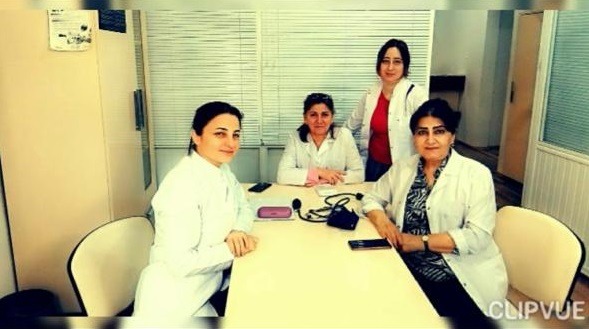
Poliklinik
Poliklinik
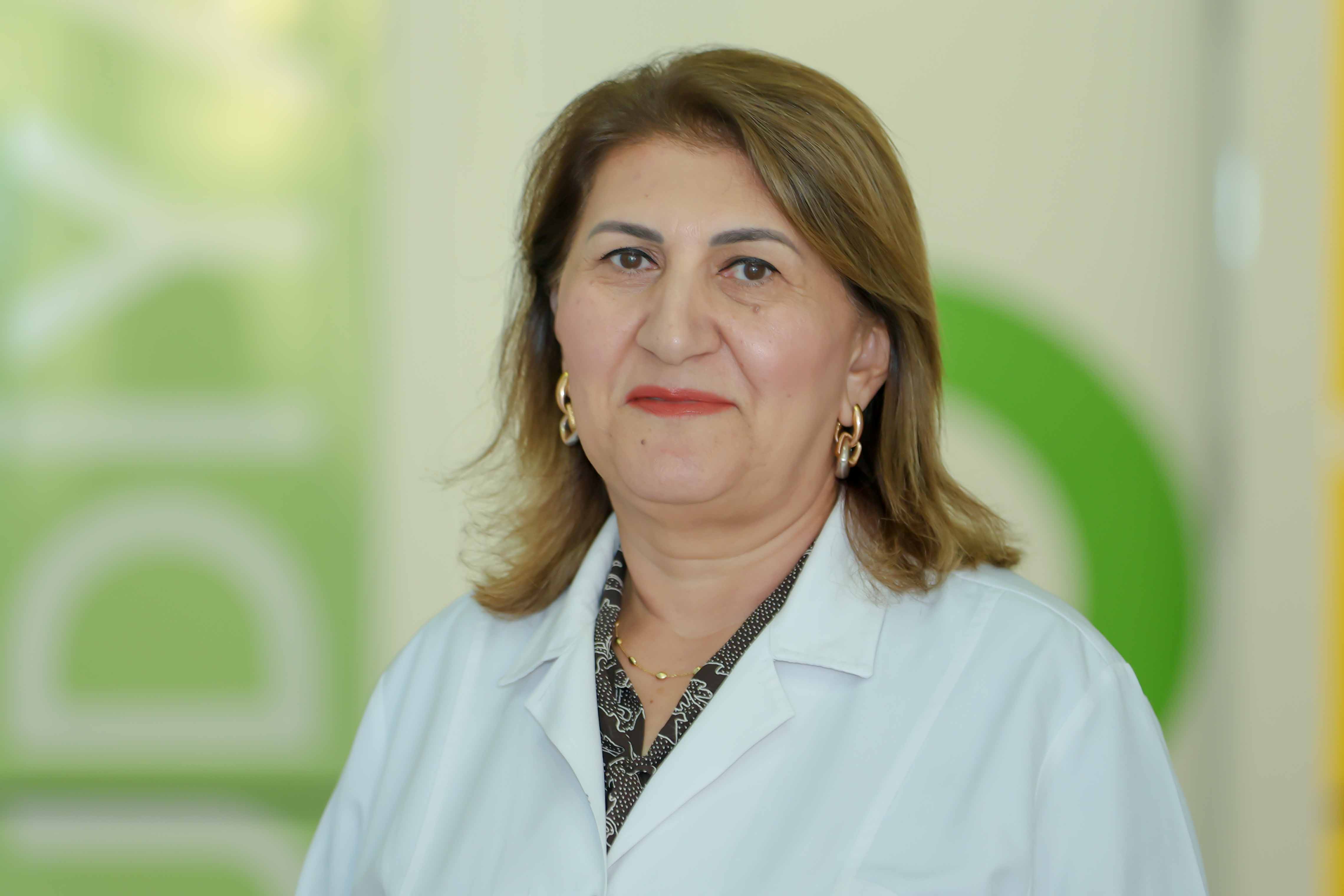
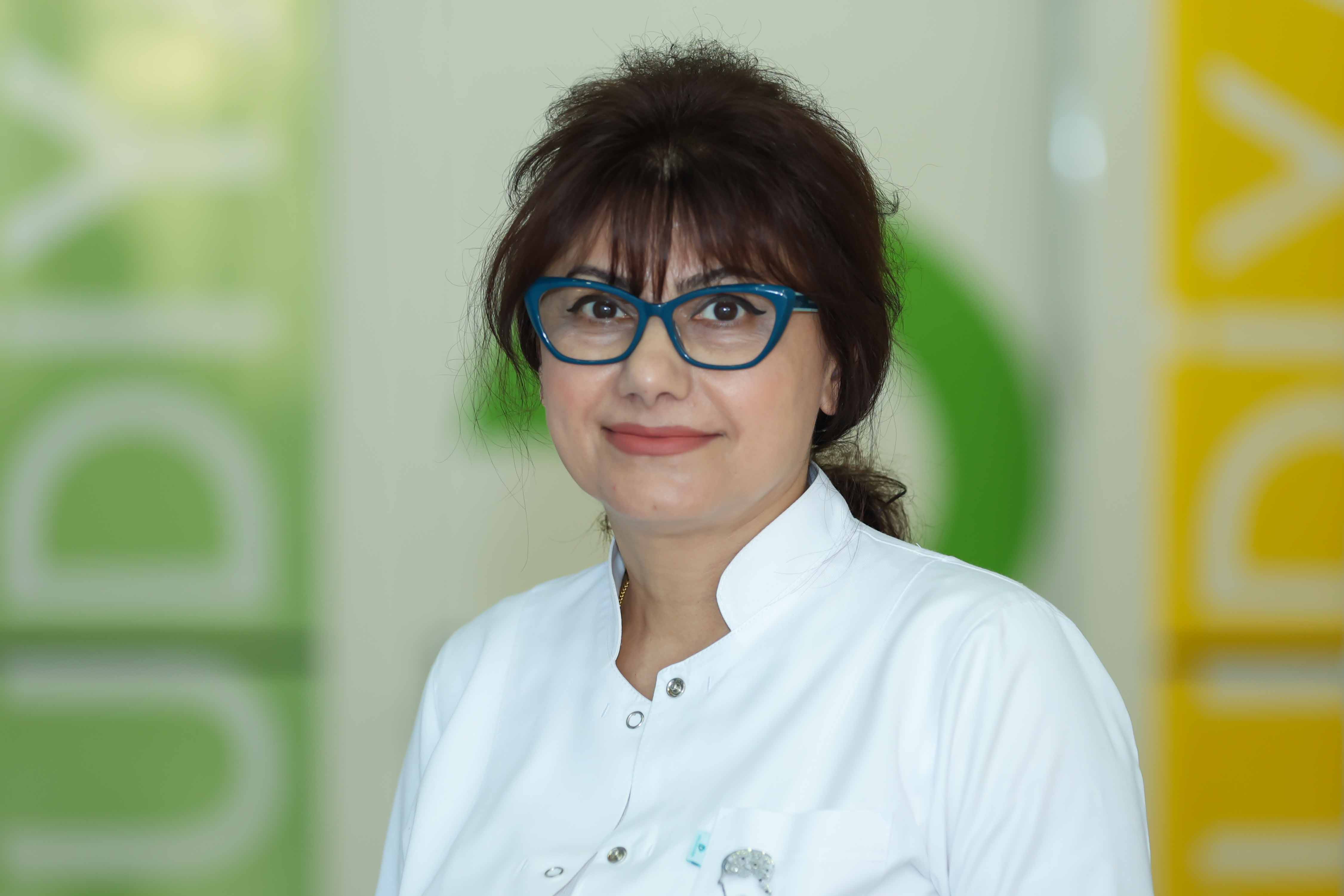
Adilə Ukalayeva
Baş həkim
Adilə Ukalayeva Zeynəddin
Baş həkim
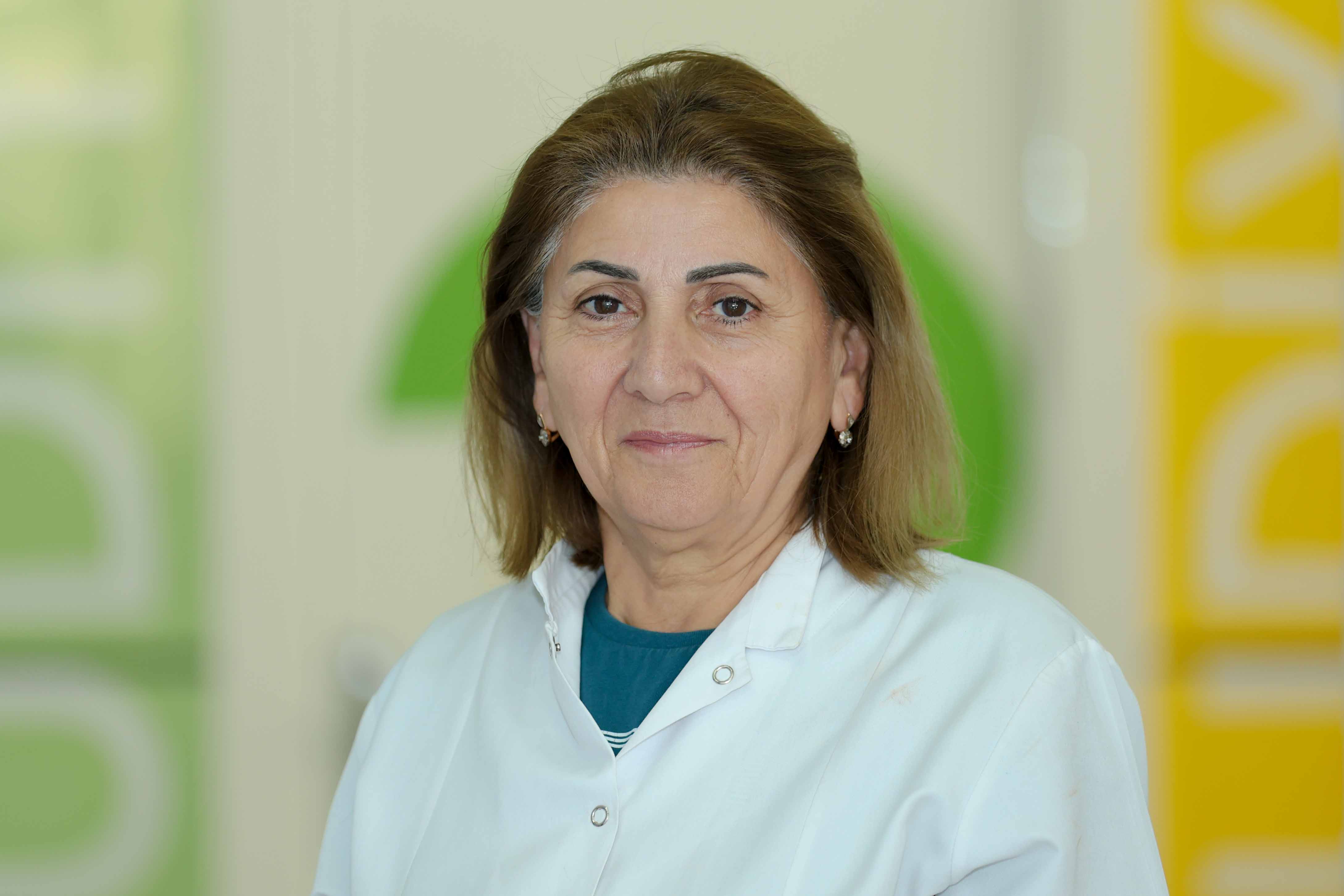
Tamella Abdullayeva İslam
Həkim-terapevt
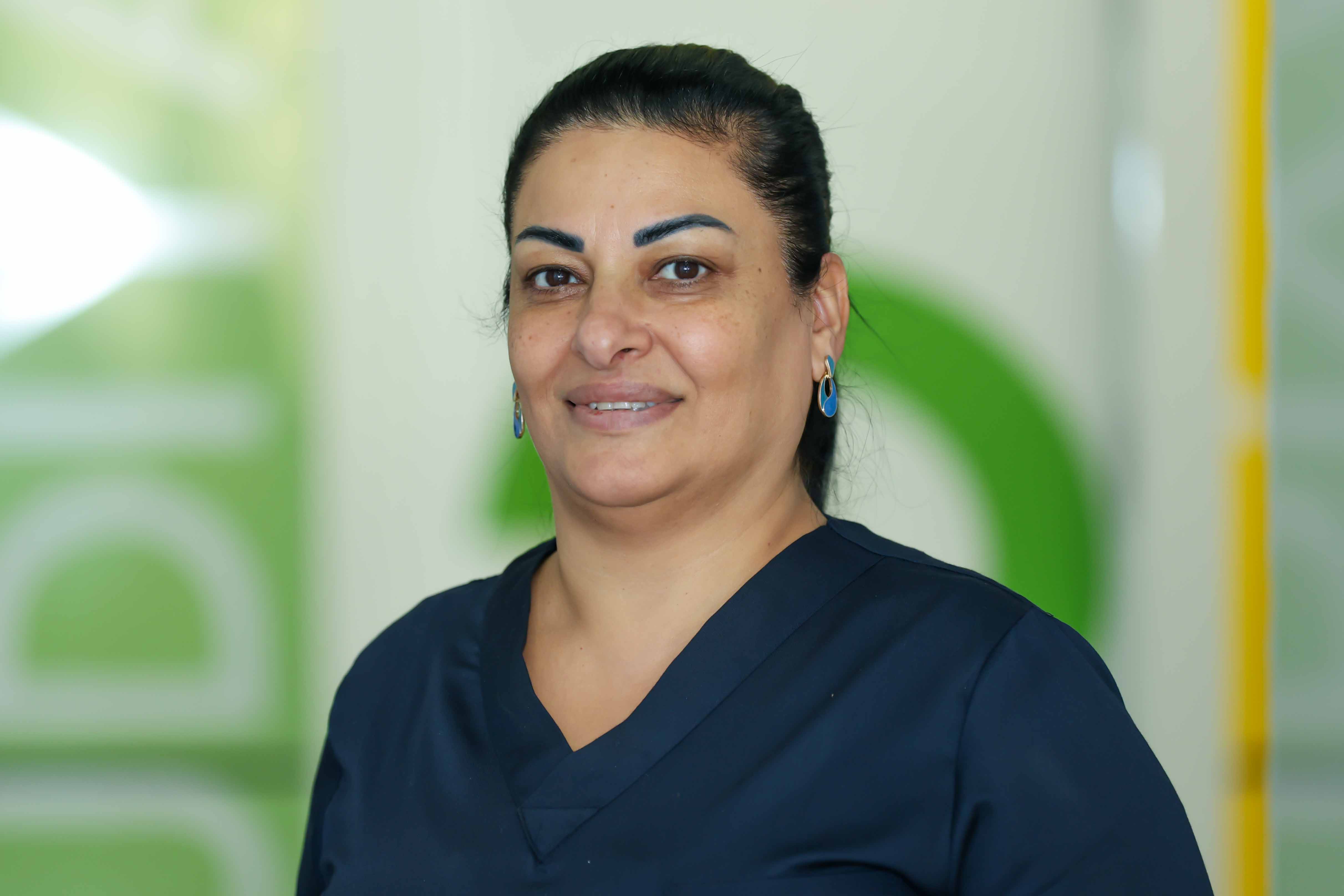
Arzu Abuzərova İmran
Tibb bacısı
Aygün Mustafayeva Məhəmməd
Şüa diaqnostikası üzrə həkim
Mehriban Muxtarova Məmmədağa
Həkim-nevropatoloq
Daha Fazla Göster
×